What happens when a burned house is cleared down to the slab in Shasta County
By the time the first load of charred framing leaves the lot, the order of the whole job has already been fixed by a walk through the ashes. Burned-house demolition across Shasta County, CA runs from hazard check to bare ground in a set sequence, from a lot outside Anderson to one up toward Shasta Lake, as the notes at demolition services shasta county razvan boar describe.
What is checked before any machine starts
The walk comes first. Standing walls with burned studs can drop without warning, and a second floor may be hanging off a few charred joists. Gas and electric are confirmed dead at the street, and a well or water line is capped so a broken pipe does not turn the ash into mud. Anything that looks like a drum, tank or propane bottle is marked and moved aside by hand before the excavator is unloaded.
Why the structure is not simply pushed over
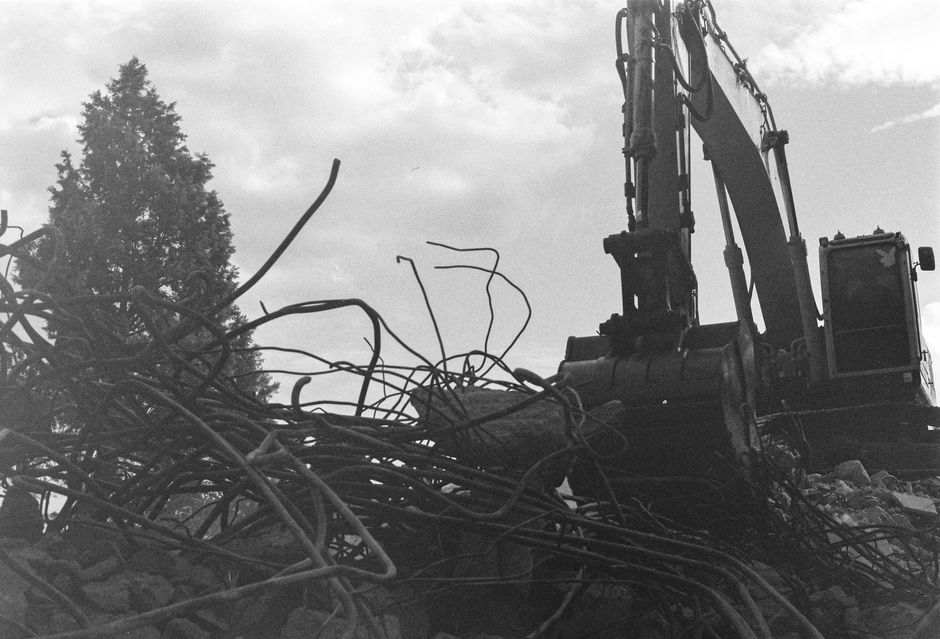
A burned house is not one pile. It is a roof deck that has partly burned through, a stud wall that may still carry the weight above it, and a load bearing wall that has lost half its section. An excavator with a thumb pulls the roof decking and rafters down from the edge in sections, working away from whatever is still standing. Pushing from the middle drops the weight toward the operator.
How the debris is sorted as it comes down
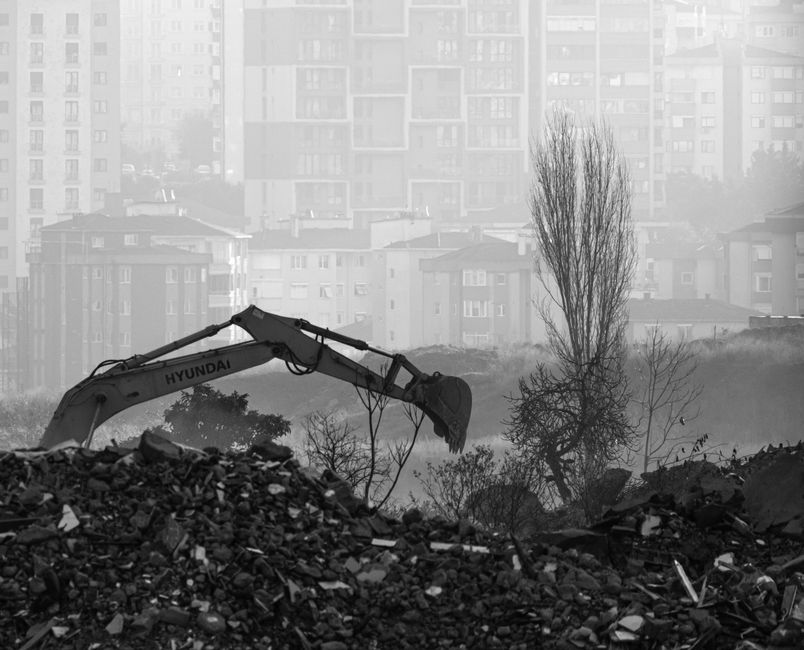
Metal roofing, wire, plumbing and appliance shells go to one pile. Burned lumber, drywall and plaster go to another. Brick and chimney masonry from a house near Palo Cedro stay separate, because they are hauled and weighed on their own. A skid steer with a grapple works the small material so the excavator keeps pulling larger pieces instead of stopping to clean up around its own tracks.
What happens to the concrete slab and footing
Once the framing is gone, the concrete slab is swept and looked at. Heat can crack and flake the surface, and a footing that took a long burn may be soft at the edges. Sometimes the slab is broken out with a jackhammer or a hydraulic breaker and hauled away. Sometimes it is left in place for an engineer to judge. That decision is made on the slab itself, not on how bad the house looked from the road.
Where the job ends
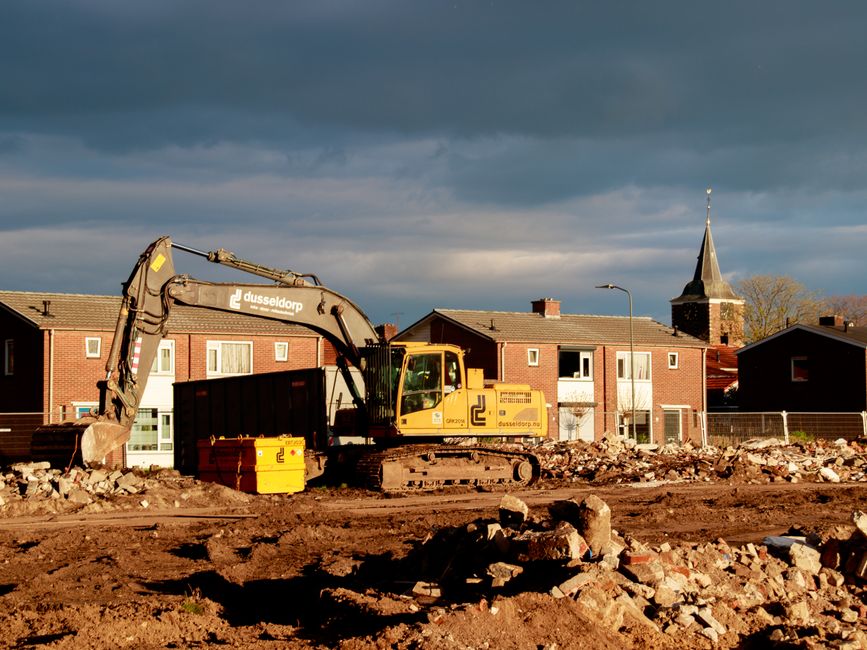
The job ends when the lot is bare to the slab or to level dirt, with no nails, wire or ash lines left on the surface. A magnet sweep picks up nails and fasteners across the footprint. Trucks stay on a packed route, so neighbors near Redding or out toward Whiskeytown Lake are not left with a track of debris on the road. A lot that burned in the Carr Fire years ago and one that burned last summer get the same sequence. The finished pad is ready for the next step, which is either grading or a new foundation.