What should a Shasta County owner check before choosing a fire debris removal crew
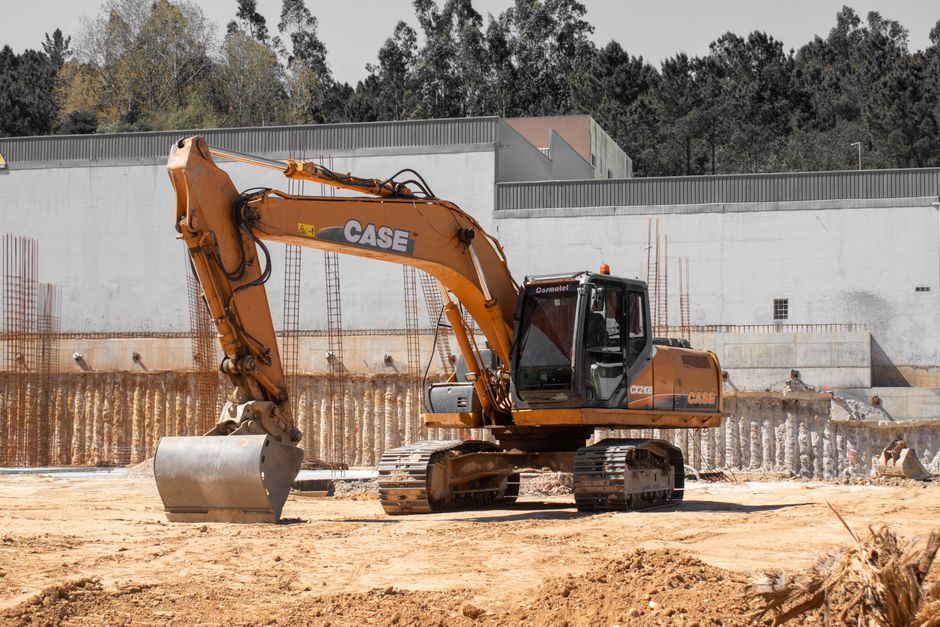
Two crews that bid the same fire cleanup can arrive with very different machines, and the difference shows up by the second day. The questions that demolition services shasta county razvan boar keeps for Shasta County, CA are shorter than an owner would guess, and the demolition equipment and disposal paperwork sit at the top, well ahead of anything else.
What equipment should be on the truck
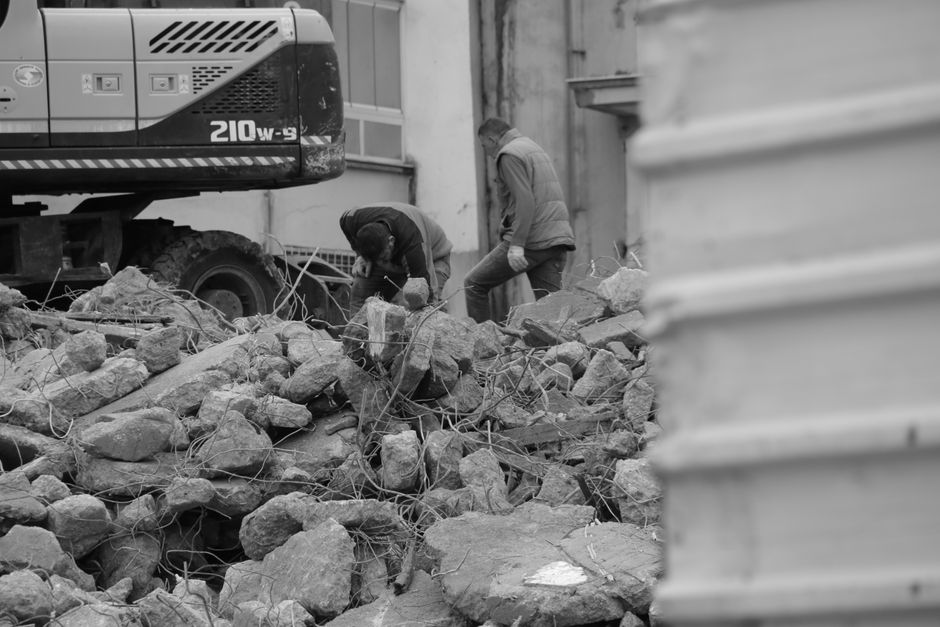
A burned house needs an excavator with a thumb, a skid steer with a grapple, and a water source for dust control. A crew with only a bulldozer pushes debris into piles and leaves metal and glass mixed in the dirt. A mini excavator matters on tight lots, such as a narrow driveway in Redding or a lot with a steep approach near Shasta Lake.
How the crew gets to the lot
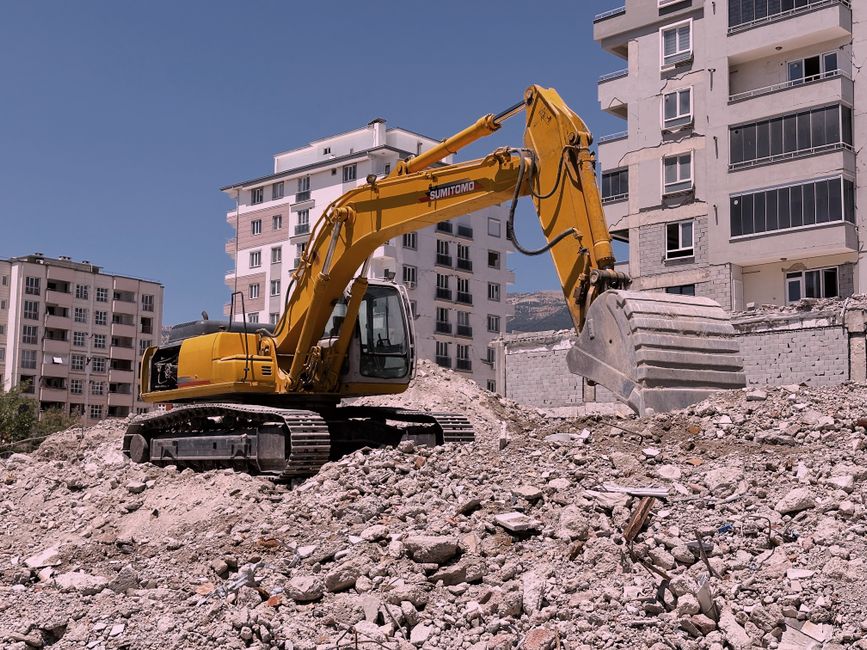
Rural parcels around Palo Cedro and the hills along State Route 299 often have a gate, a cattle guard or a one-lane road. The crew should walk the access before bidding and say which trucks can get in. A job that needs smaller hauling trucks takes more trips, and that changes the schedule.
Disposal paperwork
Burned debris goes to a facility that accepts it, and weigh tickets prove where each load went. Ask to see the tickets from a past job. A crew that cannot name its disposal site may be dumping somewhere it should not, and the property owner can carry that problem afterward.
Licenses, insurance and the survey
A demolition contractor in California holds a license for the work, workers compensation coverage and liability insurance. Pre-1980 houses need an asbestos survey before the first wall comes down, and the crew should say who handles that. The permit comes from the county or the city, and the crew should know which office issues it.
Signs of a careful crew
Careful crews wet the ash, tarp the loads, protect the street, and mark every utility before they dig. They also leave a clean lot, with the concrete slab or the bare pad checked for nails. Talk to a neighbor near Anderson or along the Sacramento River who had a similar cleanup and ask what the lot looked like when the trucks left, and whether the crew came back to fix anything the first week.