What does site grading involve on a burned lot before rebuilding in Shasta County
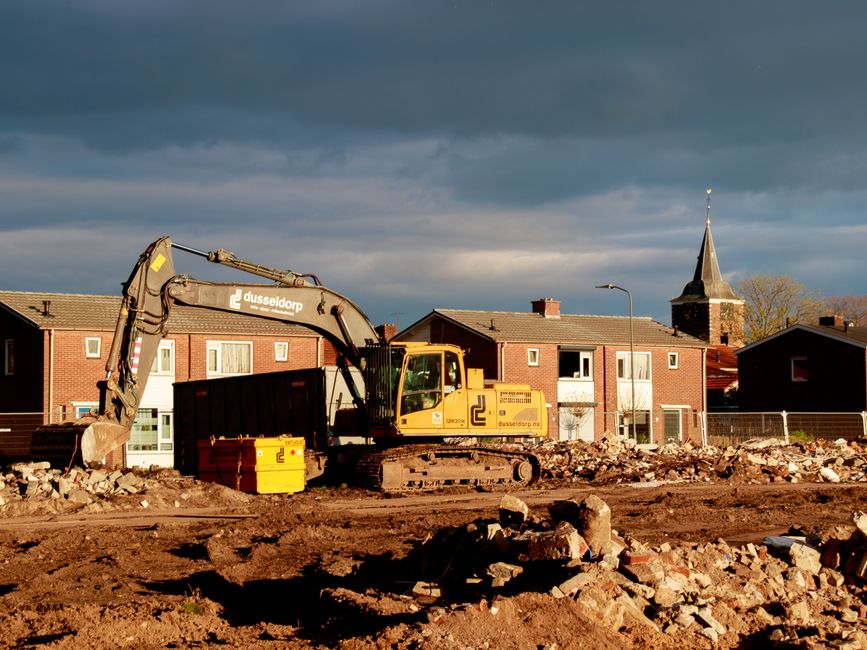
The grading pass does one job: it sets the ground so water leaves the building pad and does not come back to it. After demolition and debris removal are finished on a burned lot, the field figures kept at demolition services shasta county razvan boar show the same order everywhere in Shasta County, CA, which is rough shape, drainage, then finish.
Reading the lot after the debris is gone
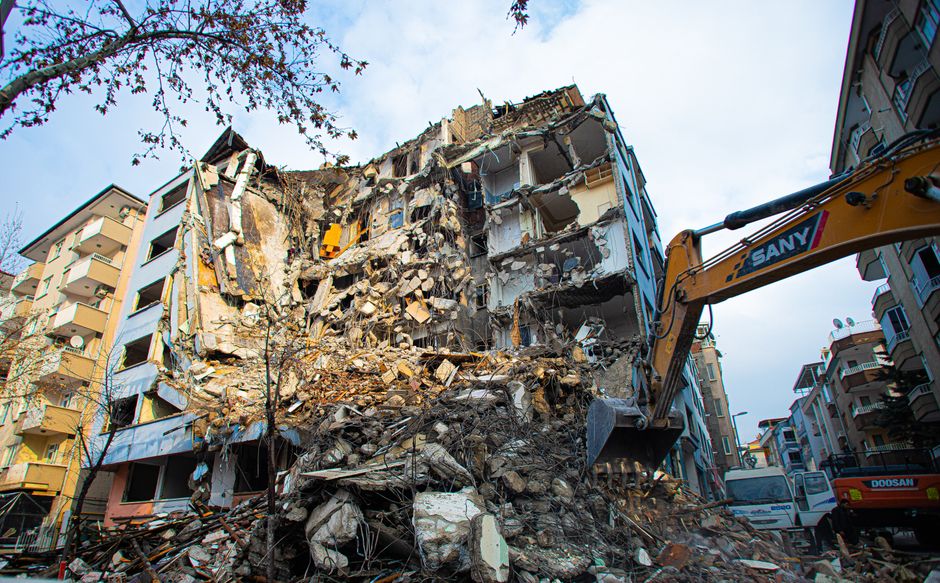
A burned slope has lost the roots that held it. The crew looks for rills, low spots and the old drive, and notes where water ran during the last storm. Lots on the hills near Whiskeytown Lake and west of Redding are steeper than the flat ground out by Anderson, so the pad is cut and the spoil is placed with more care.
Cutting and filling the pad
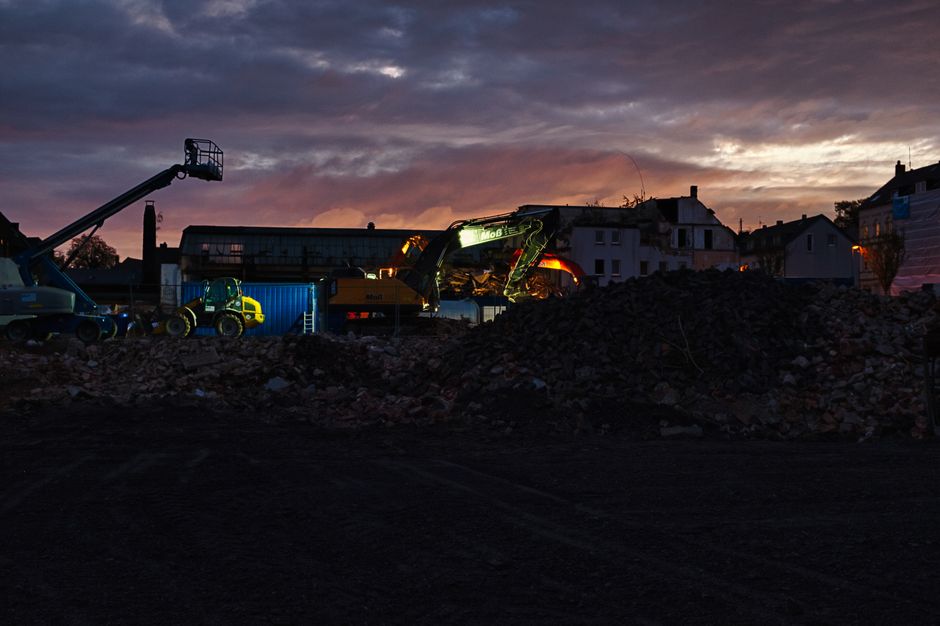
An excavator takes the high side and a skid steer spreads and tightens the low side. Fill is placed in lifts and compacted, not dumped in one pile, since loose fill under a new foundation settles. Old footing or slab that stayed is mapped so the new work does not collide with it. The pad is left slightly crowned so rain runs off all four sides.
Drainage and erosion control
Swales, a culvert at the driveway and a rock apron at downspout locations carry the water off. Silt fence and straw wattles go along the downhill edge before the first fall storm. Bare burned soil sheds water fast and sends ash into the nearest creek or the Sacramento River, so the barrier goes in early, not after the first muddy morning.
Utilities and access
Trenches for water, power and septic are laid out before final grade, because digging them afterward wrecks the finish. The driveway gets a base of compacted rock so concrete trucks and a framing crew can reach the pad. Roads like State Route 299 carry the heavy traffic, but the last stretch on a rural lot is usually a dirt track that needs its own repair.
Handing the pad over
The grading ends with a stake survey, so the builder can confirm the pad elevation before the foundation forms go in. A rain test is the real check: if water sits anywhere on the pad after an hour, the grade is fixed before the framers arrive.