Can a concrete slab and footing be reused after a house fire in Shasta County
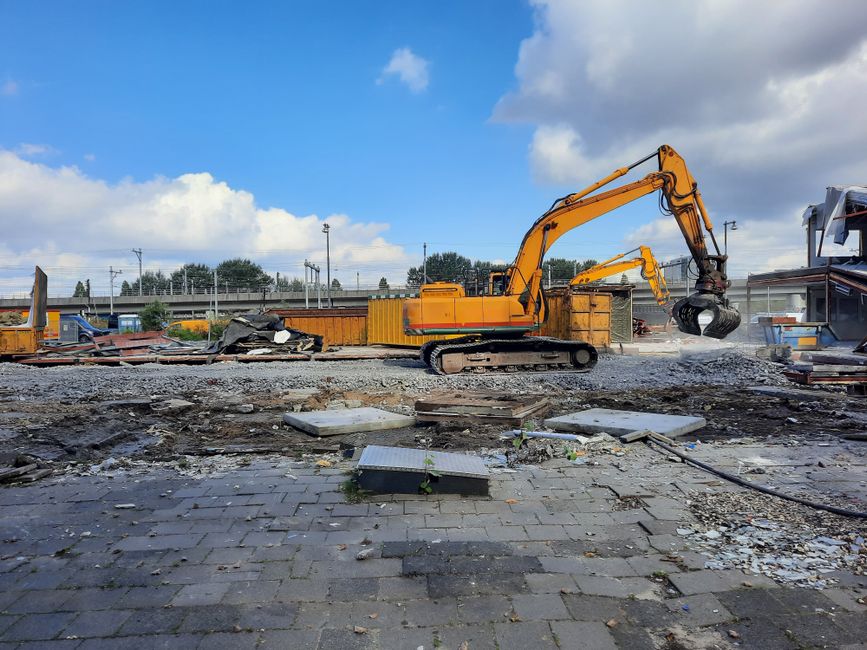
Nothing about a gray slab that looks intact from the driveway proves it is sound, and the running record demolition services shasta county razvan boar holds shows how often a clean surface hides damage underneath. After a house fire in Shasta County, CA, the demolition crew looks at the concrete before anyone decides to pour on top of it.
What heat does to concrete
Concrete holds water inside. When a fire heats the surface the water turns to steam and pushes pieces off, which is called spalling. The surface flakes in plates, exposes the aggregate and sometimes reaches the steel. A slab under a room that burned hot for a long time can lose its strength several inches down, while the slab under a room at the edge of the fire may only be stained.
How a slab is judged
The crew sweeps it clean and walks it with a hammer, listening for the dull sound of a hollow layer. Cracks are marked and measured. Color change is a clue as well: pink or reddish concrete has been hot enough to lose strength. An engineer makes the call on whether it can stay, and the crew follows that decision rather than guessing from the surface.
Footings are the harder question
The footing is buried, so it is exposed in a few places with a mini excavator and checked where a burning wall sat on top of it. A footing under a load bearing wall that burned for hours is a concern, since it carries the new house too. Footings under a garage that was only scorched are usually fine.
When the slab comes out
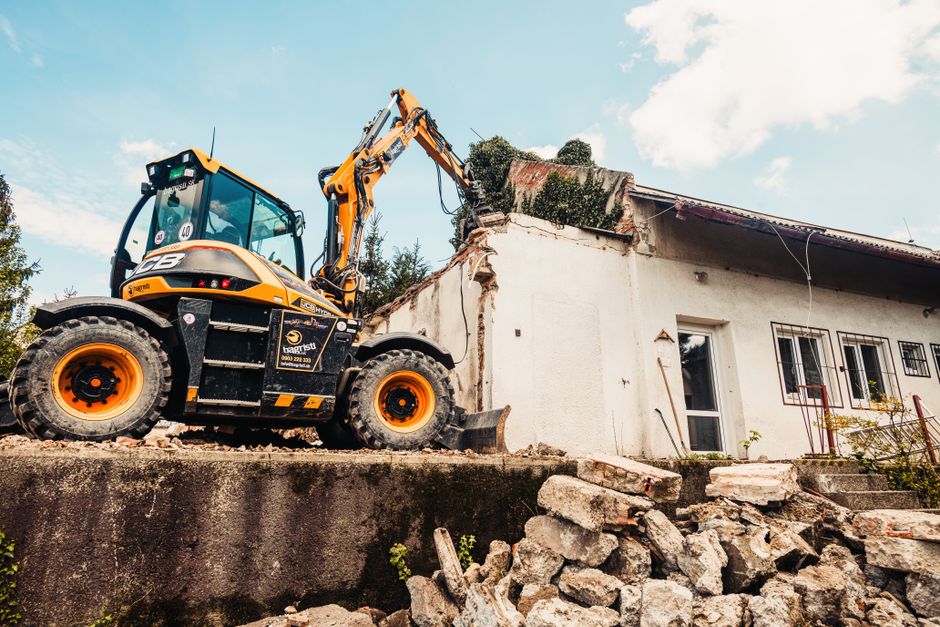
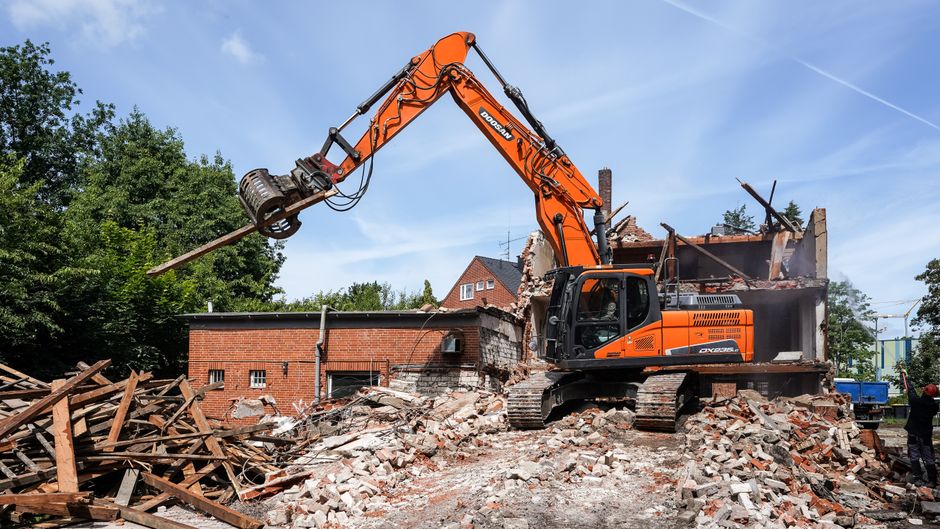
If the slab fails, it is broken with a jackhammer or a breaker mounted on the excavator and hauled to a recycler that takes clean concrete. Rebar is cut out with a reciprocating saw or torch. Removal also lets the plumbing under the floor be replaced, which matters because the drain lines in a burned house are often cracked.
Lots around the county
Burned lots from Redding to Shasta Lake and out toward Whiskeytown Lake have slabs of every age. Older foundations from before the sixties are often thinner and unreinforced, and those are removed more often than a newer slab. Whichever way it goes, the decision is written down and handed to the rebuilder.