How is ash and burned debris handled on a Shasta County fire site
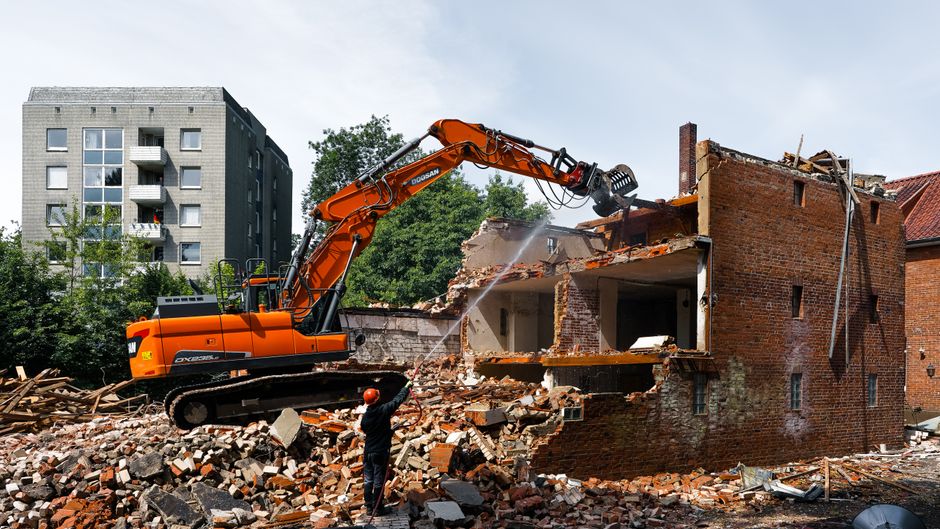
The smell of wet ash is sharp, a mix of burned plastic and old smoke, and it hangs on a lot long after the flames are out. Handling that material is a separate task from demolition, and the figures kept at demolition services shasta county razvan boar treat it as dust control first, because in the valley heat of Shasta County, CA a dry pile of ash goes airborne in a light afternoon breeze.
Why ash is wetted before it is moved
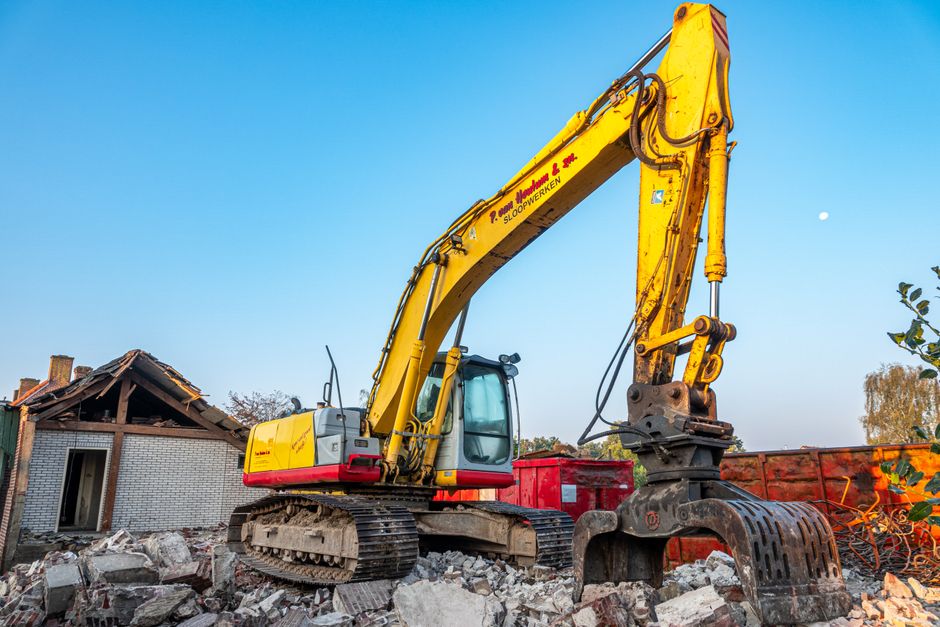
Dry ash is fine enough to get into lungs and neighboring windows. A hose or water truck keeps the surface damp ahead of the excavator, and the bucket digs low and slow so nothing is thrown. In summer near Palo Cedro the water has to be reapplied every hour or two, because the top crust dries fast and the afternoon wind picks up along State Route 299.
What gets separated from the ash
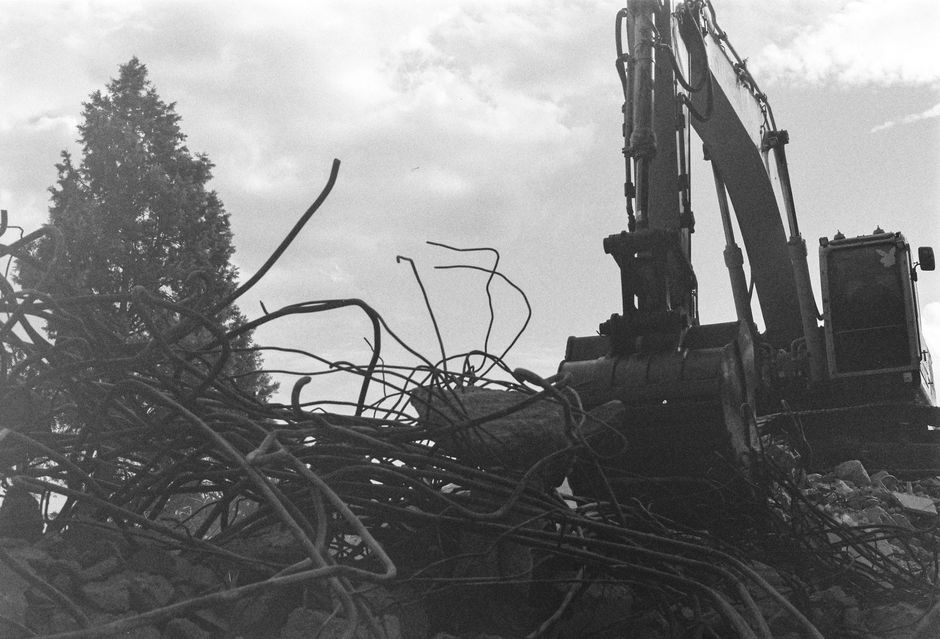
Ash from a burned house is mixed with melted glass, nails, wire and pieces of drywall and plaster. A skid steer with a screening bucket or a grapple pulls the large pieces out first. What is left is hauled as burned debris, in covered trucks, to a facility that accepts it. The weigh tickets from that facility are kept with the job file.
Where contaminated soil and hazardous items go
Paint cans, pool chemicals, batteries and fuel are pulled out by hand before the machine touches the pile. Soil under a burned garage may be stained with oil. That soil is kept apart from clean ash and hauled on its own load, so the whole pile is not classed as contaminated and the haul volume stays down.
How the trucks are kept from spreading it
A load of ash left uncovered leaves a gray line on the road for miles. Tarps are pulled over each box, the tires are knocked clean at the lot edge, and the exit stays on a gravel or packed pad. Neighbors in Redding, Anderson and the foothills on the west side notice a dusty exit quickly, so that pad gets swept at the end of each day. Loads headed for Interstate 5 are tarped before they leave the lot, not at the on-ramp.
When the work stops for weather
Strong wind is a reason to stop digging in dry ash. A short rain is not a problem, but a heavy one turns ash into a slurry that runs off the lot, so silt barriers go in along the low edge before the first storm of fall. Lots that drain toward the Sacramento River or a creek get the barrier first. Work resumes when the surface is damp again rather than dry or flowing.